Introduction to Mobile Technology
Mobile Technology has become one of the most influential forces shaping modern life. It refers to the tools, devices, applications, and systems that allow people to communicate, access information, and perform tasks while on the move. Smartphones, tablets, wearable devices, and wireless networks are all part of this evolving ecosystem. Over the past two decades, Mobile Technology has moved from being a convenience to an essential part of daily routines, transforming how individuals work, learn, socialize, and entertain themselves.
Evolution of Mobile Technology
The journey of Mobile Technology began with basic mobile phones designed mainly for voice communication. Over time, technological advancements introduced text messaging, multimedia features, and internet connectivity. The arrival of smartphones marked a major turning point, combining computing power with portability. Modern devices now support high speed internet, advanced cameras, artificial intelligence, and cloud integration. This continuous evolution has made Mobile Technology more powerful, accessible, and user friendly than ever before.
Impact on Communication
One of the most significant contributions of Mobile Technology is its impact on communication. People can now connect instantly across the globe through calls, messaging apps, video conferencing, and social media platforms. Communication is no longer limited by location or time zones. Mobile Technology has strengthened personal relationships, enabled remote collaboration, and supported global business operations. It has also given individuals a voice by allowing them to share ideas, opinions, and content with a wide audience.
Role in Education and Learning
Mobile Technology has transformed education by making learning more flexible and accessible. Students can access digital textbooks, online courses, educational videos, and interactive apps directly from their mobile devices. Learning is no longer confined to classrooms or fixed schedules. Mobile Technology supports self paced learning, virtual classrooms, and instant access to information. Teachers also benefit by using mobile tools to track progress, communicate with students, and enhance lesson delivery.
Influence on Business and Economy
Businesses across industries rely heavily on Mobile Technology to improve efficiency and reach customers. Mobile applications support online shopping, digital payments, customer service, and marketing. Small businesses use mobile platforms to compete in global markets, while large organizations manage operations through mobile based systems. Mobile Technology has also contributed to the growth of the digital economy by creating new job opportunities in app development, digital marketing, and technology services.
Mobile Technology in Healthcare
The healthcare sector has experienced major improvements due to Mobile Technology. Mobile health applications help patients monitor fitness, track medical conditions, and manage appointments. Doctors use mobile tools for remote consultations, data collection, and communication with patients. Mobile Technology supports telemedicine, which improves access to healthcare services in remote and underserved areas. This integration enhances patient care while reducing costs and saving time.
Social and Cultural Impact
Mobile Technology plays a key role in shaping social behavior and cultural trends. Social media platforms accessed through mobile devices influence how people interact, express themselves, and consume content. News spreads rapidly, cultural movements gain visibility, and communities form around shared interests. While Mobile Technology encourages connectivity, it also raises concerns about screen time, privacy, and digital well being. Responsible usage is essential to maintain a healthy balance.
Future of Mobile Technology
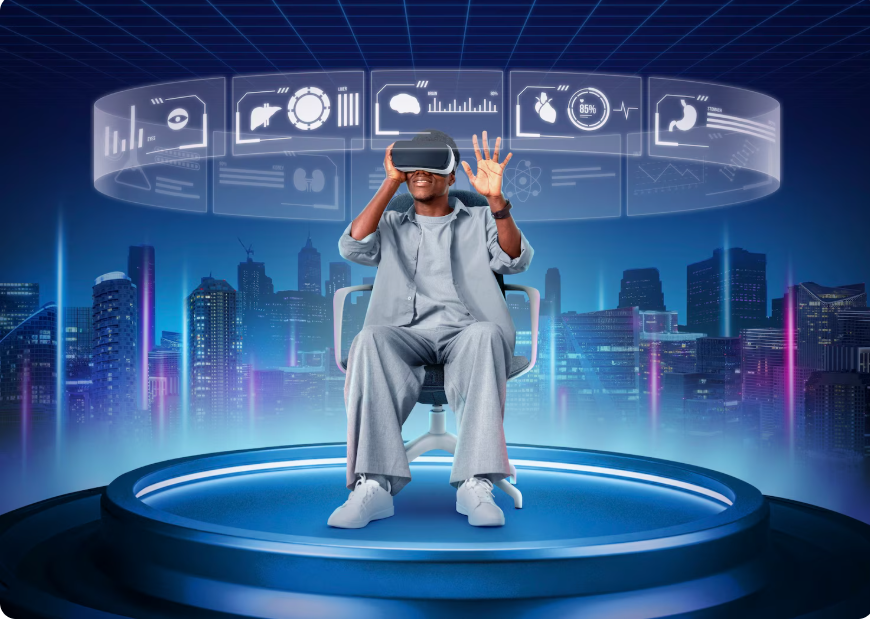
The future of Mobile Technology promises even greater innovation. Developments such as fifth generation networks, artificial intelligence, augmented reality, and smart devices will further expand capabilities. Mobile Technology is expected to support smarter cities, autonomous systems, and personalized digital experiences. As technology advances, the focus will remain on improving security, accessibility, and sustainability to ensure positive long term impact.
Conclusion
Mobile Technology has deeply integrated into modern life, influencing communication, education, business, healthcare, and culture. Its continuous evolution drives innovation and opens new possibilities for individuals and societies. While challenges exist, the benefits of Mobile Technology are undeniable. By using it wisely and responsibly, people can harness its power to enhance productivity, connectivity, and quality of life in an increasingly digital world.