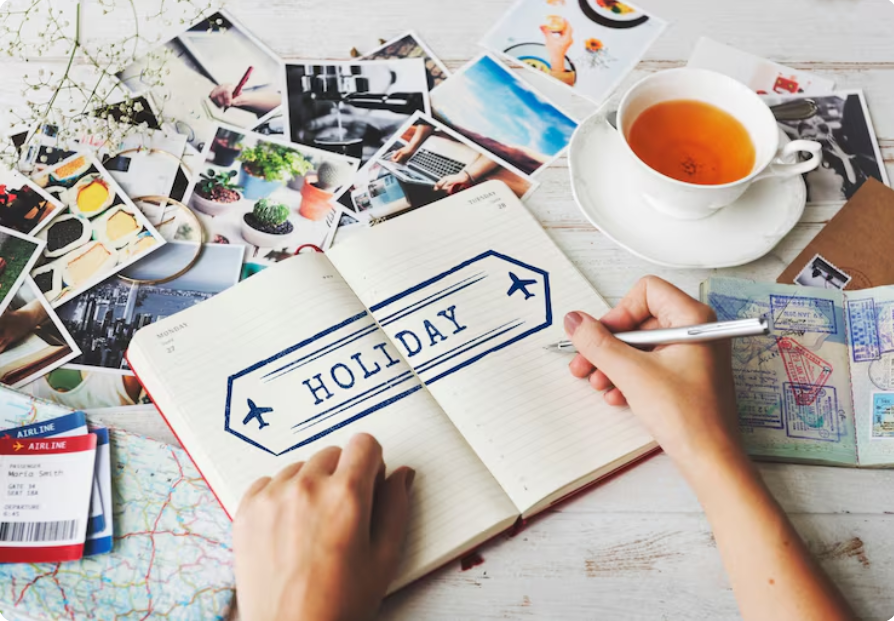
Travel is exciting, but without proper planning, even the most anticipated trip can become stressful. Travel planning is the foundation of a seamless, enjoyable journey, helping you maximize experiences, minimize hassles, and make every moment count. Whether you’re embarking on a short weekend getaway, a backpacking adventure, or an international vacation, thoughtful planning ensures your trip is both memorable and stress-free.
Define Your Travel Goals
The first step in travel planning is understanding what you want from your trip. Are you seeking relaxation, adventure, cultural immersion, or a mix of experiences? Identifying your priorities helps you choose the right destination, activities, and accommodations. Clear goals also guide your itinerary, budget, and travel style, ensuring that every aspect of the trip aligns with your expectations.
Research Your Destination
Knowledge is power when it comes to travel. Research your destination’s climate, culture, attractions, local customs, and safety guidelines. Identify key landmarks, neighborhoods, and experiences you want to include. Reading travel guides, blogs, or watching travel videos can provide valuable insights and tips from fellow travelers, helping you make informed decisions.
Budgeting and Cost Planning
Setting a realistic budget is crucial for a stress-free trip. Consider transportation, accommodations, meals, activities, souvenirs, and emergency funds. Comparing prices for flights, hotels, and tours in advance can save money and avoid last-minute stress. Budgeting also helps you make choices that match your travel style—whether it’s luxury, mid-range, or budget-friendly travel.
Create a Flexible Itinerary
An itinerary provides structure without limiting spontaneity. List the main attractions, activities, and experiences you want to include, but leave room for unexpected discoveries. Balance sightseeing with downtime to avoid burnout. A well-planned itinerary ensures you make the most of your time while maintaining flexibility to explore hidden gems or adapt to unforeseen circumstances.
Booking Transportation and Accommodation
Early booking often provides the best options and prices. Compare flights, trains, buses, or rental cars to find the most convenient and cost-effective choices. For accommodations, consider factors like location, amenities, safety, and traveler reviews. Whether you prefer hotels, hostels, vacation rentals, or boutique stays, booking in advance ensures availability and peace of mind.
Packing and Preparation
Packing efficiently is a key part of travel planning. Make a checklist of essentials such as clothing, toiletries, electronics, documents, and medications. Consider the climate, planned activities, and local customs when choosing what to bring. Packing smartly saves space, reduces stress, and ensures you have everything you need for a comfortable trip.
Health and Safety Considerations
Travel planning should include precautions for health and safety. Check vaccination requirements, carry necessary medications, and purchase travel insurance. Familiarize yourself with local emergency contacts and healthcare facilities. Being prepared allows you to focus on enjoying your journey rather than worrying about unexpected situations.
Stay Connected and Organized
Use technology to simplify travel planning and stay organized. Apps for maps, translation, currency conversion, and itinerary management can enhance convenience. Keeping digital copies of important documents like passports, tickets, and reservations ensures accessibility in case of emergencies. Staying connected also helps with navigation and communication while exploring new destinations.
Consider Local Experiences
Part of effective travel planning is incorporating authentic local experiences. Research festivals, cultural events, local cuisine, and community activities. Engaging with locals and exploring neighborhoods beyond tourist hotspots creates meaningful experiences and memories that go beyond traditional sightseeing.
Evaluate and Adjust Plans
Even the best-planned trips can require adjustments. Be prepared to adapt if schedules change, weather disrupts plans, or new opportunities arise. Travel planning is about creating a roadmap, not rigidly sticking to it. Flexibility ensures that your journey remains enjoyable, relaxed, and full of discovery.
Conclusion
Travel planning is the key to transforming a simple trip into a seamless, enjoyable adventure. By defining goals, researching destinations, budgeting wisely, and organizing transportation, accommodations, and activities, you set yourself up for success. Thoughtful planning minimizes stress, maximizes experiences, and allows you to fully immerse yourself in the journey.
Whether it’s a weekend escape, an international vacation, or a long-term adventure, effective travel planning ensures every moment counts. With preparation, flexibility, and a spirit of curiosity, you can make your travel experiences memorable, enriching, and truly unforgettable.