Mental health is an important part of overall well-being. It influences how people think, feel, communicate, manage stress, build relationships, and handle everyday challenges. As awareness of mental health continues to grow, symbols have become a meaningful way to encourage understanding, compassion, acceptance, and support.
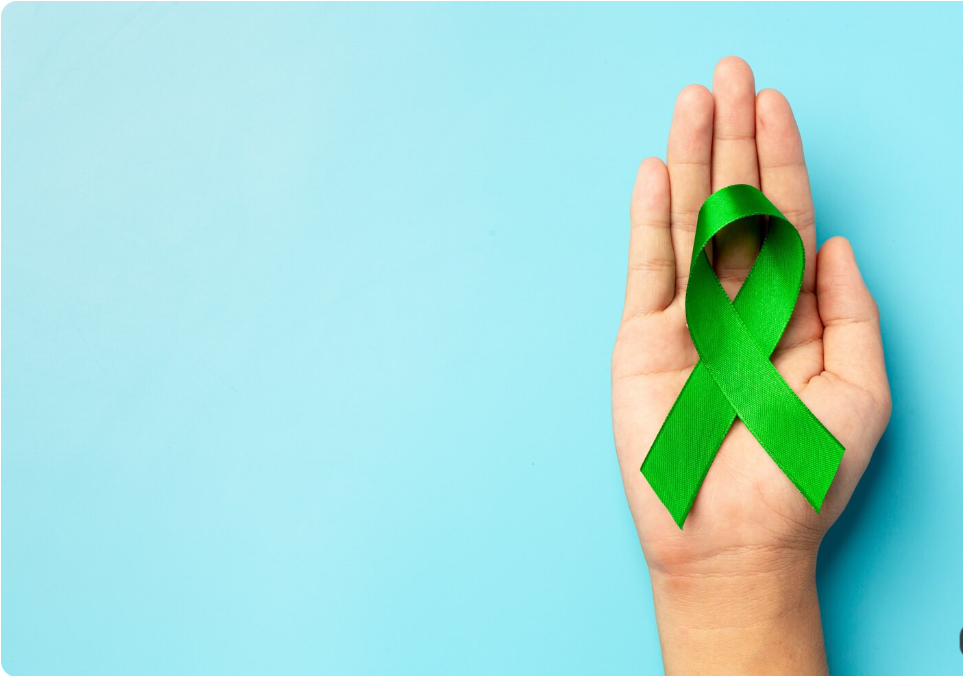
The most widely recognized mental health awareness symbol is the green ribbon. It represents mental health awareness and encourages people to speak openly about emotional well-being and mental health conditions. Other symbols, including the semicolon, butterfly, green heart, lotus flower, and tree of life, are also used to communicate hope, recovery, resilience, and personal growth.
This guide explores the meaning of the mental health symbol, the history and importance of the green ribbon, other commonly used symbols, and how individuals can promote mental health awareness.
What Is the Mental Health Symbol?
The green ribbon is widely recognized as an international symbol of mental health awareness. People wear it, display it, or share it online to show support for individuals experiencing mental health challenges.
The symbol encourages open conversations about mental health and helps reduce the stigma associated with conditions such as depression, anxiety, and other psychological difficulties.
The green ribbon can communicate several positive messages:
- Awareness of mental health challenges.
- Support for people experiencing emotional difficulties.
- Hope and encouragement.
- Acceptance and understanding.
- The importance of seeking help.
- Solidarity with families and communities affected by mental health conditions.
The Mental Health Foundation identifies the green ribbon as the international symbol of mental health awareness. <Cite refs={[“turn976348search0″,”turn976348search1”]}/>
What Does the Green Mental Health Ribbon Mean?
The green ribbon represents mental health awareness, understanding, and support. It encourages individuals and communities to recognize that mental health deserves the same attention and care as physical health.
Green is commonly associated with nature, renewal, growth, and hope. These associations make it a meaningful color for campaigns that promote emotional well-being and recovery.
Why Is Green Used for Mental Health Awareness?
Green has become strongly connected with mental health campaigns because it provides a recognizable visual identity for awareness activities.
The color can represent:
- Hope: Encouraging people to believe that support and recovery are possible.
- Growth: Recognizing that emotional development is an ongoing process.
- Renewal: Promoting positive changes and healthier habits.
- Understanding: Encouraging people to listen without judgment.
- Support: Showing solidarity with individuals and families affected by mental health conditions.
When Do People Wear a Green Ribbon?
People may wear green ribbons throughout the year to show their support for mental health awareness.
They are particularly visible during:
- Mental Health Awareness Month.
- World Mental Health Day.
- Mental Health Awareness Week.
- School awareness programmes.
- Workplace well-being campaigns.
- Community mental health events.
The green ribbon is not limited to a particular awareness day. It can be used whenever people want to promote understanding and encourage conversations about mental health.
Different Mental Health Symbols and Their Meanings

Although the green ribbon is the most widely recognized awareness symbol, several other images are associated with mental health, recovery, and emotional well-being.
| Symbol | Common meaning | How it is used |
|---|---|---|
| Green ribbon | Mental health awareness and support | Awareness campaigns and events |
| Semicolon | Hope, continuation, and suicide prevention awareness | Personal stories and advocacy |
| Butterfly | Transformation and personal growth | Recovery and inspirational messages |
| Green heart | Kindness, care, and emotional support | Social media and awareness posts |
| Lotus flower | Resilience and renewal | Wellness and personal-growth messages |
| Tree of life | Strength, stability, and connection | Mental wellness artwork and campaigns |
These symbols have different histories and associations. They should not be treated as interchangeable official emblems. <Cite refs={[“turn976348search0″,”turn976348search4″,”turn976348search6”]}/>
1. Green Ribbon
The green ribbon is the most widely recognized symbol of mental health awareness.
It is used by organizations, schools, workplaces, and individuals to encourage discussions about emotional well-being.
People may wear a green ribbon pin, share a digital ribbon, or use green-themed artwork during awareness campaigns.
2. Semicolon Symbol
The semicolon is commonly associated with suicide prevention awareness, hope, and continuing life despite difficult experiences.
In writing, a semicolon connects two related thoughts rather than ending a sentence. Its symbolic meaning comes from the idea that a person’s story can continue even when life becomes challenging.
People may use semicolon artwork, jewelry, tattoos, or social media graphics to express resilience and support.
It is important to understand that the semicolon has a more specific association with suicide prevention and personal experiences than the broader green mental health awareness ribbon.
3. Butterfly Symbol
The butterfly is frequently used to represent transformation, personal growth, and change.
Its life cycle provides a meaningful comparison with personal development. The transformation from caterpillar to butterfly can symbolize moving through difficult experiences and discovering new possibilities.
The butterfly is often included in:
- Mental wellness posters.
- Inspirational artwork.
- Recovery messages.
- Personal-growth designs.
- Awareness campaign graphics.
4. Green Heart Symbol
A green heart can represent compassion, kindness, hope, and emotional support.
It is especially useful in digital communication because it is easy to include in messages, captions, and awareness posts.
However, the green heart does not have one universal official meaning. Its interpretation depends on the campaign and the person using it.
5. Lotus Flower Symbol
The lotus flower is associated with resilience, renewal, and personal development in several cultural and spiritual traditions.
Because the flower grows in challenging natural conditions, it is sometimes used as a metaphor for overcoming adversity.
In mental wellness artwork, the lotus can represent patience, self-awareness, and the possibility of positive change.
6. Tree of Life Symbol
The tree of life represents strength, stability, growth, and connection.
Its roots can symbolize support and stability, while its branches can represent development and new opportunities.
In mental health contexts, this symbol may communicate the importance of supportive relationships, community, and personal growth.
Why Is the Mental Health Symbol Important?
Mental health symbols make awareness messages easier to recognize and share. They provide a simple visual way to communicate support for people who may find it difficult to discuss their experiences.
1. Reducing Mental Health Stigma
Mental health stigma can prevent people from discussing emotional difficulties or seeking professional help.
Awareness symbols help make conversations more visible and encourage communities to approach mental health with understanding rather than judgment.
2. Encouraging Open Conversations
A green ribbon or another awareness symbol can act as a conversation starter.
It may encourage someone to ask questions, share information, or learn more about available mental health support.
3. Showing Support for Others
People affected by mental health challenges may sometimes feel isolated.
Wearing or sharing a symbol can communicate that their experiences matter and that they deserve understanding and support.
4. Promoting Mental Health Education
Schools, colleges, organizations, and community groups can use awareness symbols to promote educational activities.
These activities may include discussions about stress management, emotional well-being, healthy relationships, and professional support.
5. Supporting Awareness Campaigns
Symbols help campaigns maintain a recognizable visual identity across posters, social media posts, websites, and community events.
The green ribbon, for example, is used by mental health organizations to encourage awareness and public participation.
Mental Health Awareness Colors and Their Meanings
Different colors are used in mental health campaigns and wellness communication. Their meanings can vary depending on the organization, country, and campaign.
| Color | Common association | Important context |
|---|---|---|
| Green | Mental health awareness, hope, and support | Widely recognized awareness color |
| Purple | Some mental health and suicide prevention campaigns | Meaning varies by campaign |
| Blue | Calmness and emotional well-being | Also used for many unrelated causes |
| Yellow | Hope, positivity, and some suicide prevention initiatives | Not exclusively a mental health color |
| Teal | Some suicide prevention and mental health campaigns | Campaign-specific meaning |
The green ribbon remains the clearest general-purpose choice when someone wants to represent mental health awareness. Some suicide prevention organizations use different ribbon colors, including purple and turquoise. <Cite refs={[“turn976348search0″,”turn976348search6″,”turn976348search7”]}/>
Mental Health Symbol for Social Media
Social media platforms provide opportunities to share mental health awareness messages and encourage supportive conversations.
People can use green ribbons, heart symbols, semicolons, and other meaningful designs in their posts.
Popular Mental Health Symbols for Posts
- Green heart
- Awareness ribbon
- Butterfly
- Growing plant
- Flower
- Tree
These emojis are visual expressions rather than standardized official mental health symbols.
Mental Health Awareness Captions
Here are some short messages that can accompany awareness posts:
- Mental health matters every day.
- It is okay to ask for help.
- Be kind to yourself and others.
- Listening can make a difference.
- Every person’s mental health journey is different.
- Support, understanding, and compassion matter.
- There is strength in speaking openly.
A thoughtful social media post can help normalize conversations about mental well-being without making assumptions about another person’s experiences.
How to Use the Green Ribbon for Mental Health Awareness
People can participate in mental health awareness activities in simple and meaningful ways.
1. Wear a Green Ribbon
A green ribbon pin can show support for mental health awareness at school, work, or community events.
2. Share Awareness Graphics
Post a green ribbon image or a short educational message on social media.
3. Organize School Activities
Schools and colleges can organize discussions, poster competitions, and educational sessions about mental health.
4. Encourage Supportive Conversations
Create opportunities for people to talk about stress, emotional well-being, and the importance of seeking help.
5. Share Reliable Information
Use trustworthy mental health resources rather than spreading unverified claims or stereotypes.
The Mental Health Foundation also encourages people to use its virtual green ribbon in social media stories to promote awareness. <Cite refs={[“turn976348search1″,”turn976348search13”]}/>
Mental Health Symbol in Schools and Colleges
Educational institutions can use mental health symbols to create a more supportive learning environment.
Students experience different academic, social, and personal pressures. Awareness activities can help them understand emotional well-being and learn how to support one another.
Useful School Awareness Activities
- Green ribbon awareness days.
- Mental health poster competitions.
- Classroom discussions.
- Student wellness programmes.
- Peer-support initiatives.
- Educational presentations.
- Information sessions about counseling services.
Teachers can explain that mental health is an important part of overall health and that asking for help is a positive step.
Schools should also make sure that students know how to contact appropriate counselors or trusted adults when they need support.
Mental Health Symbol Tattoos and Personal Artwork
Some individuals choose mental health symbols as tattoos, jewelry, or personal artwork.
These designs can represent an individual’s experiences, recovery journey, or commitment to supporting mental health awareness.
Popular design ideas include:
- A small green ribbon.
- A semicolon tattoo.
- A butterfly with a green accent.
- A lotus flower.
- A tree with strong roots.
- A green heart.
- A combination of a semicolon and butterfly.
There is no single design that represents everyone’s experience. A symbol should reflect the meaning the individual wants to express.
It is also important not to assume that someone has a mental health condition simply because they wear a particular symbol or have a related tattoo.
Difference Between Mental Health Awareness and Suicide Prevention Symbols
Mental health awareness and suicide prevention are connected, but they are not identical.
Mental health awareness includes a broad range of topics, such as emotional well-being, stress, depression, anxiety, psychological support, and access to care.
Suicide prevention focuses more specifically on recognizing risk, providing timely support, and connecting people with appropriate help.
| Aspect | Mental health awareness | Suicide prevention |
|---|---|---|
| Main focus | Overall mental well-being | Preventing suicide and supporting people at risk |
| Common symbol | Green ribbon | Symbols vary by organization; purple and turquoise are used by some campaigns |
| Main message | Awareness, understanding, and support | Hope, safety, and access to help |
| Activities | Education and stigma reduction | Prevention education and crisis support |
| Audience | Individuals and communities | People at risk, families, professionals, and communities |
The symbols used by different campaigns may overlap, but their specific meanings should be checked with the organization promoting them. <Cite refs={[“turn976348search0″,”turn976348search6”]}/>
How to Support Someone Experiencing Mental Health Challenges

A symbol can communicate support, but meaningful support also involves listening, understanding, and encouraging appropriate care.
Here are practical ways to support someone:
- Listen without interrupting or judging.
- Take their feelings seriously.
- Avoid making assumptions about their situation.
- Encourage them to speak with a qualified professional when appropriate.
- Respect their privacy.
- Offer practical help when possible.
- Stay connected rather than waiting for them to ask every time.
If someone appears to be in immediate danger or may harm themselves, seek urgent assistance from local emergency services or an appropriate crisis-support service.
Mental health awareness is not only about wearing a ribbon. It is also about creating communities where people feel safe discussing their experiences and finding help.
Conclusion
The mental health symbol is an important part of public awareness, education, and advocacy. The green ribbon is the most widely recognized symbol of mental health awareness and represents support, understanding, and hope.
Other symbols, including the semicolon, butterfly, green heart, lotus flower, and tree of life, can express different ideas connected with resilience, recovery, and personal growth.
Although symbols help spread awareness, their greatest value comes from the conversations and actions they encourage. Listening without judgment, sharing reliable information, supporting others, and recognizing the importance of professional care can all contribute to a more understanding society.
Mental health deserves attention throughout the year, and everyone can play a part in promoting awareness and compassion.
Frequently Asked Questions
1. What is the official symbol for mental health?
There is no single universal symbol adopted by every mental health organization. However, the green ribbon is widely recognized internationally as the symbol of mental health awareness.
2. What does the green ribbon mean in mental health?
The green ribbon represents mental health awareness, support, understanding, and hope. It is commonly worn or shared during awareness campaigns.
3. What color represents mental health awareness?
Green is the most widely recognized color associated with general mental health awareness. Other colors may be used for specific mental health or suicide prevention campaigns.
4. What does the semicolon symbol mean in mental health?
The semicolon is commonly associated with hope, resilience, and suicide prevention awareness. It represents the idea that a person’s story can continue despite difficult experiences.
5. Can I use a green ribbon symbol on social media?
Yes. You can share a green ribbon image, use a green heart, or post an awareness message to show support for mental health. Make sure your message is respectful and uses reliable information.